
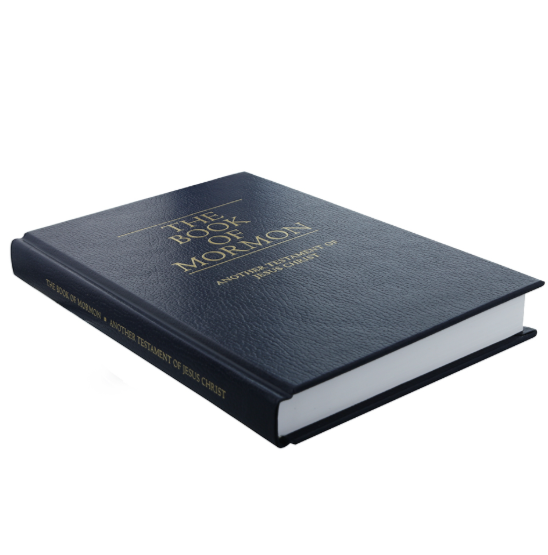
Turning a manuscript into a beautifully bound hardcover book is more than just a technical process—it’s an art form. Hardcover book printing is where creativity, craftsmanship, and precision converge to transform an idea into a tangible masterpiece. For authors, artists, and businesses alike, the journey from raw manuscript to polished hardcover is a thrilling experience, one that elevates the content and enhances its value. In this article, we’ll explore the intricate steps involved in hardcover book printing and how this process can turn your vision into a timeless work of art.
The transformation of a manuscript into a hardcover book begins with the foundation: the manuscript itself. The quality of your content is, of course, the most important element of the process. But turning that content into a physical book requires an understanding of design, paper choices, binding techniques, and finishing options. Each decision along the way contributes to the final product, making hardcover book printing a meticulous and thoughtful art form.
The first step is book design, where the manuscript is shaped into a cohesive visual experience. This stage is critical, as it sets the tone for the entire book. Designers work closely with authors or publishers to choose the right layout, typography, and imagery that aligns with the content. Whether it’s a minimalist novel, a bold photography book, or an informative corporate report, the design must reflect the essence of the book’s message. In hardcover printing, every detail matters—each page must be carefully laid out to ensure a smooth flow of text and visuals, creating an enjoyable reading experience.
Next comes the selection of paper stock, a key aspect of hardcover book printing that affects both the look and feel of the book. The choice of paper is crucial because it impacts the color reproduction, texture, and weight of the book. High-quality paper stock gives the book a luxurious feel, while also ensuring that the print quality is sharp and crisp. Whether you choose a matte finish for a refined, understated look or a glossy finish for vibrant colors, the paper stock plays an integral role in the overall aesthetic of the book.
Once the design and paper are chosen, binding is the next step in the hardcover book printing process. The binding is what holds the pages together, and in the case of hardcovers, it also includes the sturdy, protective cover. The most common binding technique for hardcover books is case binding, where the book block (the collection of pages) is sewn or glued together and then attached to the hardcover casing.
Conclusion
In conclusion, hardcover book printing is the art of transforming a manuscript into a carefully crafted, enduring work of art. From the design and paper selection to the binding and finishing touches, each element plays a role in turning an idea into a physical masterpiece. The durability and elegance of hardcover books make them the perfect medium for preserving stories, whether it’s an author’s debut novel, a photographer’s portfolio, or a company’s marketing collateral. The process of hardcover book printing is about more than just production—it’s about creating something timeless, something that captures the essence of creativity and craftsmanship in every page. Whether you’re an artist, business owner, or author, investing in hardcover book printing elevates your ideas, turning them into lasting creations that will be appreciated for years to come.