
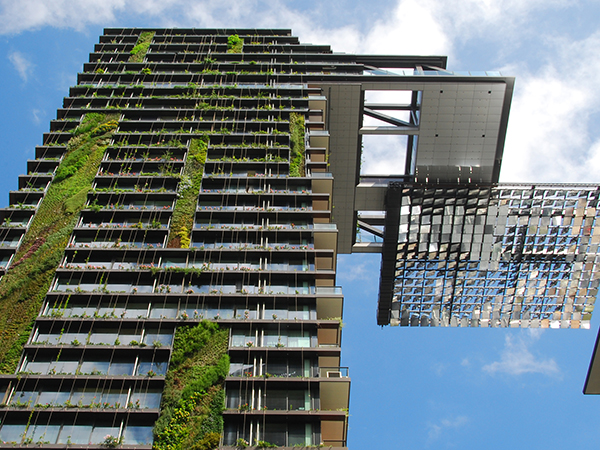
As concerns about climate change and environmental protection continue to grow, many industries are rethinking how they operate. The construction and architecture sectors are no exception. Today, sustainable building design has become an essential part of creating spaces that are both environmentally responsible and comfortable for people to live and work in. Rather than focusing only on how a building looks or functions, sustainable design considers the long-term impact a structure has on the environment, energy use, and human health.
Sustainable building design focuses on using resources wisely, reducing waste, and lowering the environmental impact of buildings throughout their entire life cycle. This includes everything from the materials used in construction to how the building uses energy, water, and natural light. By carefully planning and using smart design methods, architects and builders can create buildings that use less energy, produce fewer emissions, and provide healthier spaces for the people inside them.
Modern sustainable design combines thoughtful planning with new technologies. Some methods rely on natural resources like sunlight and wind, while others use systems such as solar power and energy-efficient heating. Together, these approaches help buildings reduce their environmental impact while still meeting the needs of modern life.
Key Principles of Sustainable Building Design
Sustainable building design is made up of several important ideas that guide how buildings are planned and constructed. These principles help reduce energy use, limit environmental damage, and create more comfortable living and working environments.
Passive Sustainable Design
Passive design focuses on using natural elements to help regulate the temperature and lighting inside a building. Instead of relying heavily on electricity or mechanical systems, passive design takes advantage of sunlight, airflow, and building orientation.
For example, windows can be placed in positions that allow sunlight to naturally brighten indoor spaces during the day. This reduces the need for artificial lighting. Good insulation and materials that store heat can also help keep buildings warm during cooler months and cool during warmer seasons.
Natural ventilation is another important part of passive design. By allowing fresh air to move through a building, indoor spaces remain comfortable without needing as much air conditioning. These simple but effective methods can greatly reduce energy use while improving comfort for occupants.
Active Sustainable Design
Active design uses technology to improve a building’s energy efficiency and reduce its environmental impact. While passive design relies on natural conditions, active design involves systems that help manage energy use more effectively.
One common example is the use of solar panels to produce electricity from sunlight. Wind turbines, energy-efficient heating and cooling systems, and smart lighting controls are also often used in sustainable buildings. These systems allow buildings to operate more efficiently while lowering energy costs over time.
Smart technology also plays a growing role in active design. Automated lighting systems, temperature controls, and energy monitoring tools help buildings use only the energy they truly need. This reduces waste and makes the building more efficient overall.
Net-Zero Energy Buildings
A net-zero building is designed to produce as much energy as it uses over the course of a year. This means the building relies heavily on energy efficiency and renewable energy sources to meet its needs.
To achieve this goal, buildings are carefully designed to reduce energy consumption through insulation, efficient appliances, and smart systems. At the same time, renewable energy sources such as solar panels generate clean electricity on site.
When energy production and energy use balance each other out, the building can operate with little or no reliance on outside energy sources. This makes net-zero buildings an important step toward reducing carbon emissions.
Carbon-Neutral Buildings
Carbon-neutral buildings aim to remove or offset the carbon emissions created during construction and operation. This includes emissions from building materials, transportation, energy use, and maintenance.
To reach carbon neutrality, builders may use environmentally friendly materials, improve energy efficiency, and support environmental programs such as tree planting projects. The goal is to balance the building’s carbon emissions so that its overall impact on the environment is neutral.
Why Sustainable Building Design Matters
Sustainable building design is not only about protecting the environment. It also improves the quality of life for the people who live and work inside these buildings while creating long-term economic benefits.
Reducing Environmental Impact
Buildings are responsible for a large share of global energy use and greenhouse gas emissions. Construction materials, heating and cooling systems, and electricity use all contribute to environmental damage.
By adopting sustainable building practices, the construction industry can reduce these harmful effects. Energy-efficient designs lower electricity use, while renewable energy sources reduce dependence on fossil fuels. Together, these improvements help slow climate change and protect natural resources.
Supporting Healthier Living Spaces
Sustainable buildings are designed with people in mind. They focus on improving indoor air quality, increasing natural lighting, and using safe materials that do not release harmful chemicals.
Access to natural light has been shown to improve mood and productivity, while better ventilation helps maintain fresh indoor air. Green spaces such as rooftop gardens or nearby landscaping can also create relaxing environments that support mental well-being.
These features make sustainable buildings healthier places to live, work, and study.
Saving Energy and Lowering Costs
Although sustainable buildings may require careful planning during construction, they often save money in the long run. Energy-efficient systems reduce electricity and heating costs, while renewable energy sources can generate power directly on site.
Water-saving technologies, such as rainwater collection systems and low-flow fixtures, also help reduce water bills. Over time, these savings make sustainable buildings both environmentally and financially beneficial.
Conserving Water and Reducing Waste
Water conservation is an important part of sustainable building design. Systems that collect rainwater or reuse greywater help reduce pressure on local water supplies. Landscaping that requires less irrigation can also lower water consumption.
During construction, builders can reduce waste by reusing materials and choosing products that are recyclable. Once the building is in use, recycling programs and efficient waste management systems help minimize the amount of waste sent to landfills.
Protecting Ecosystems and Biodiversity
Sustainable buildings can also support local ecosystems. Adding green roofs, gardens, and natural landscaping creates habitats for plants and wildlife. These features help improve air quality, manage rainwater, and make urban areas more environmentally friendly.
Thoughtful design allows buildings to blend more naturally with their surroundings rather than damaging local habitats.
Building a More Sustainable Future
Sustainable building design is shaping the future of architecture and construction. By focusing on energy efficiency, responsible material use, and healthier living environments, sustainable buildings help reduce environmental damage while improving daily life for their occupants.
As technology continues to improve and awareness grows, sustainable design will likely become a standard part of modern construction. From homes and offices to schools and public spaces, buildings designed with sustainability in mind play an important role in creating a cleaner, healthier, and more balanced world.
Choosing sustainable building design is not just about constructing better buildings—it is about creating a future where our built environments support both people and the planet.